
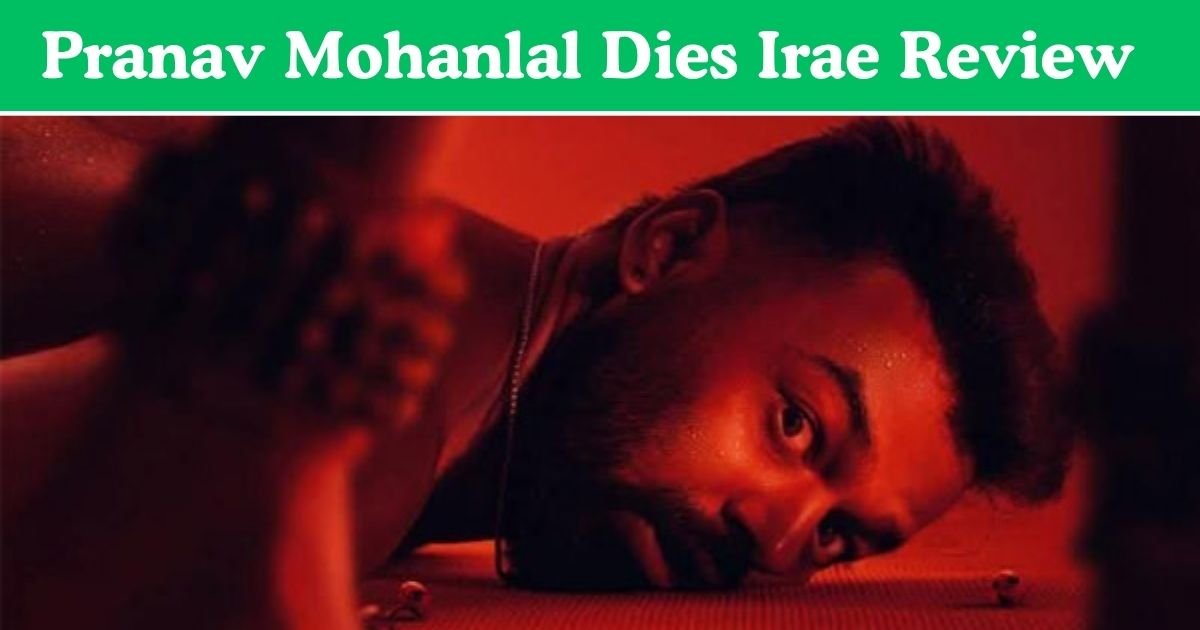
Pranav Mohanlal Dies Irae review; Rahul Sadasivan has made a name in the Malayalam cinema with his frequent attempts to push the limits of horror filmmaking. And, with Dies Irae, he sets another level altogether. Action directed by Pranav Mohanlal is not a jump-scare movie, but a movie experience that crawls on your skin and is a combination of psychological tension, visual spectacle and the purest of human emotions. I will take you through all that makes this movie a visual and emotional sensation in this Pranav Mohanlal Dies Irae review, including the story and performances, the sound design and the cinematography that would leave you haunted even after watching the credits are rolled.
Plot Summary: Darkness Wrapped in Mystery
The movie begins in a foggy town, where the viewer is introduced to Madhu (portrayed by Jibin Gopinath) a building contractor but whose life takes a peculiar twist following the mysterious suicide of his young neighbour Kani (Sushmitha Bhat). The setting of the scene is just so good, subtle, unsettling and very atmospheric.
The story is shortly changed, as a young man, Rohan (Pranav Mohanlal), who was once romantically involved with Kani, is a rich but lost in emotions young man. Rohan inadvertently entraps into the world of evil when he picks one of her hair clips when he comes to her house one day. Since then the life of Rohan enters the life of confusion; bizarre sounds, flipping shadows, and a ghost-like figure that will not leave.
Rahul Sadasivan does not play on the clichés of horror. On the contrary, he develops the fear gradually and intentionally. Every scene seems to be a fragment of a bigger puzzle, meticulously put into the right place so as to show both the mystery and the emotional burden of the guilt and fear that Rohan has.
Rahul Sadasivan’s Direction: A Visual Symphony of Fear
When Bhoothakaalam showed that Sadasivan was a master of the psychological horror, Dies Irae makes the film-maker one of the best horror storytellers in India. His style is courageous, patient and multiple. Instead of making the audience jump in terror every couple of minutes, he leaves the terror creeping slowly into the mind of the viewer, which reminds the Western classics such as The Witch or Hereditary.
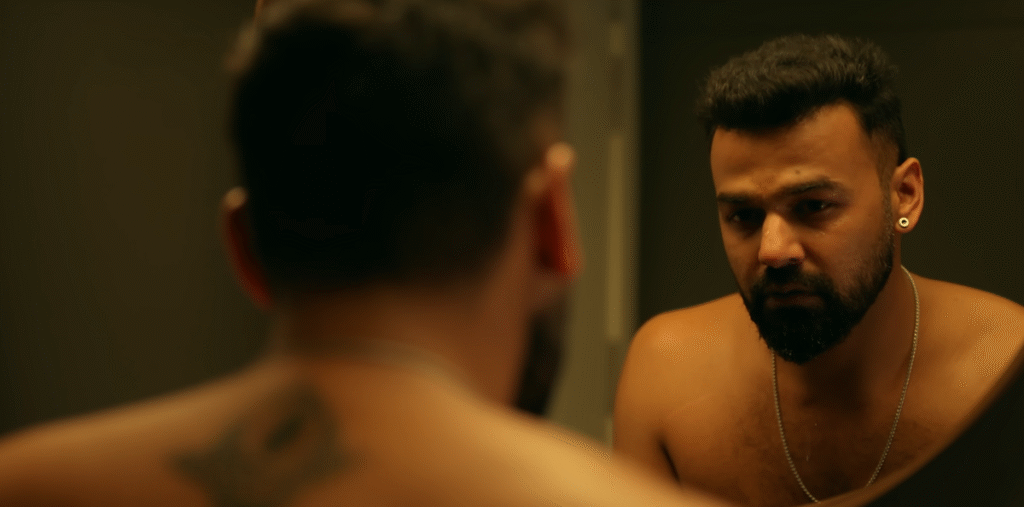
The horror and humanity in Sadasivan are what makes the genius of the artist. It is not necessarily supernatural revenge, but regret, love, and the emotional side of neglect and betrayal. His reality is down to earth, but disturbingly alien.
Pranav Mohanlal’s Career-Best Performance
Let’s get this straight: Pranav Mohanlal has delivered the best performance of his career in Dies Irae.
Pranav occasionally seemed like a distant or reserved person in past jobs, but in this case, the same restraint is the strongest quality of the person. His depiction of Rohan, a man of good breeding who is spoiled, full of guilt and slipping into madness is indeed exemplary.
Since the high-confidence swelling of the first scenes to the pure panic of his nightly haunting experiences, Pranav is a man of a broad emotional palette. His physical dedication, particularly where haunting becomes physically violent, is commendable. All the twitches, all the breathing, all the screams are excruciatingly real.
Director Rahul Sadasivan cleverly works to the inherent strengths of Pranav and he has room to perform instead of acting. What this gives is a hauntingly believable character that is able to command empathy even in his worst times.
Supporting Cast: Strength in Subtlety
As much as Pranav controls the screen, Jibin Gopinath as Madhu gives a sense of balance and depth. The fact that he is a man who is torn between rationality and spiritual belief makes his performance more grounded.
Particular mention should be made of jaya Kurup portraying the housemaid Elsamma. Her subtle and strong performance in the last act resembles the very iconic emotional depth of our beloved Bindu Panicker in Rorschach (2022).
Even those few appearances such as that of Sushmitha Bhat as Kani have emotional weight, which proves that each part throughout the movie Die Irae is not wasted.
Writing & Screenplay: Fear Through Emotion
The thing is that Dies Irae is unique in terms of writing. The screenplay does not feed the audience. Rather, it reads as an enigmatic poem or slow, rhythmic, and full of concealed significance.
Nothing is extraneous, there is no arbitrary exorcism, no horror tricks. All sounds, objects and shadows do have meaning. The repeated theme of ghungroo (sound of anklelet) turns into a narratory element by itself- going back into the past and suggesting the incompleteness of emotions.
The script indirectly relates the Indian folk lore to the contemporary psychological horror. It is this realism and mysticism that ensure that the audience is scared and emotionally involved.
Technical Excellence: The Soul of Dies Irae
Dies Irae is a masterpiece, which is pictorially beautiful. The production design by Jothish Shankar makes sure that there is no frame that is left half. All the details of the set suggest habitation and disturbingly empty, the ideal place to set a story full of grief and remorse.
Cinematographer Shehnad Jalal presents the movie with dull colors, shadows and reflections produce an impression of the constant feeling of discomfort. In the meantime, editor Shafique Mohamed Ali maintains a very quick pacing so that the tension does not drop.
Jayaadevan Chakkadath sound design and Christo Xavier music are worth exceptional applause. The background score is not trying to destroy the visuals, it complements them. The music is added when it must be added and is withdrawn when it should be and they create an all-encompassing sound that causes the fear to stay with you even after the movie is concluded.
Symbolism and Hidden Meanings
The title Dies Irae -Latin Dies Irae, which translates to Day of Wrath, is not simply picked because it is dramatic. It’s deeply symbolic. The movie indirectly cites the theme in the bible about judgment/redemption by comparing the divine punishment to human sins.
Another clever reference is made to one of the greatest horror movies ever to be produced called Alfred Hitchcock Psycho (1960). However, Sadasivan does not copy it, but instead the story serves as a platform to the author to dive into the related moral implications and emotional and spiritual decay within Indian setting.
Every single haunting scene is not only present to frighten it is also present to provoke the viewer to doubt their own fears, regrets, and sympathy to the characters. This is what makes Dies Irae more than a horror movie, it is a highly emotional experience.
Where It Falters (Slightly)
There is no flawless movie and so is the case with Dies Irae. The first act is a bit imprecise, as though the story is getting warmed up. Some of the scenes appear to have been added to facilitate the progression of the story instead of letting it flow naturally.
But when the story gets out of the haunting of Rohan, all falls into place. Since then, it has become a masterpiece on how to create tension without using the cheap thrills.
Verdict: A Landmark in Indian Horror
Rahul Sadasivan’s Dies Irae isn’t just another Malayalam horror film—it’s a milestone for Indian cinema. With its perfect blend of emotion, artistry, and psychological terror, it proves that horror can be intelligent, heartfelt, and deeply human.
- Jailer 2 Review: Dhanush Calls Rajinikanth’s Film a Blockbuster
- Bigg Boss Tamil 10: Open Nominations Spark Major Clashes
- Carrie 2026 Review: Cast, Story, Release Date & Prime Video Series
- Khatron Ke Khiladi 15 Winner 2026: Avinash Mishra Wins ₹20 Lakh and Car
- Drishyam 3 Box Office Collection: ₹177 Crore Worldwide
Pranav Mohanlal emerges as the film’s beating heart, while Sadasivan stands tall as a director who understands that true horror lies not in ghosts but in guilt, grief, and the silence that follows tragedy.
If Bhoothakaalam was the prologue, Dies Irae is the grand chapter that establishes Sadasivan as one of the best genre filmmakers in India today.
Final Rating: ⭐⭐⭐⭐☆ (4/5)
Pros:
✅ Powerful performances, especially by Pranav Mohanlal
✅ Outstanding direction and cinematography
✅ Intelligent and emotionally resonant writing
✅ Immersive sound design and background score
Cons:
❌ Slight pacing issues in the early portion