
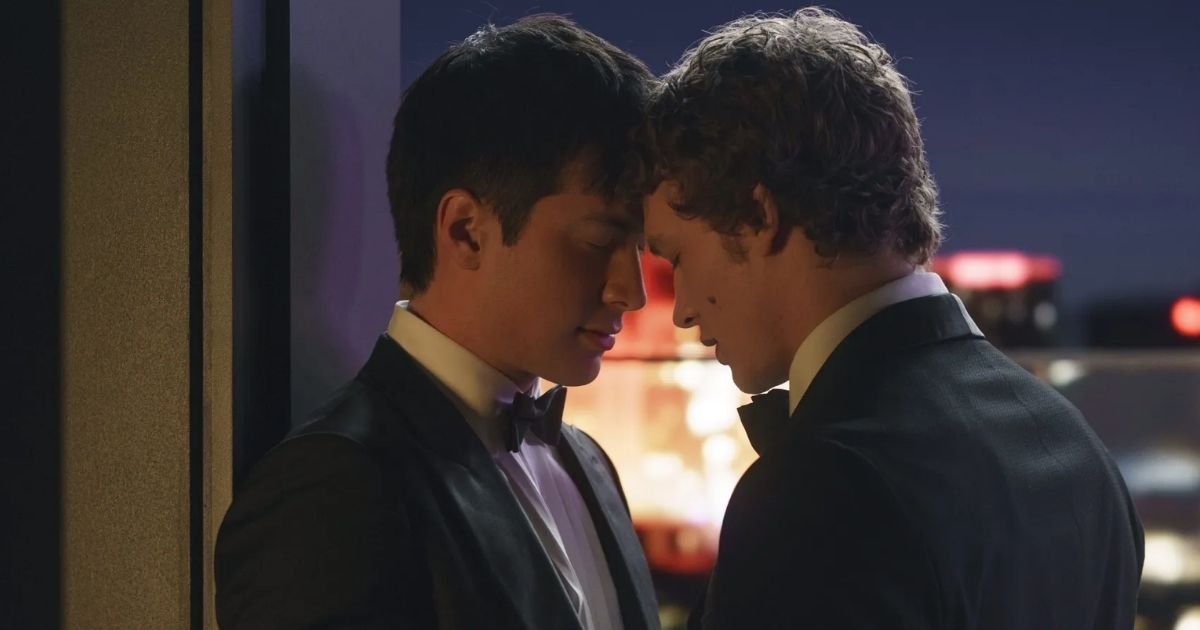
where to see competitive bloodshed; In a flooded streaming economy with its accustomed franchises often crowding the lists, a tiny Canadian drama has snatch something out of the ordinary: it made an impression on the American viewer. The competition series Heated Rivalry, which is about two competitive professional hockey players whose on-the-field rivalry extends to a clandestine romance, has skyrocketed to the very top of HBO Max rankings despite its origin as a series on the Canadian Crave, with no Hollywood-style buildup.
It is not simply a social media thirst-induced viral hit. The success of the show tells us something meaningful regarding the ways that audiences, and in particular women are redefining the mainstream television and its viewer, as well as its discourse of desire.
More Than Shock Value: The reason why Viewers are Leaning In.
The premise used in the film may at first seem niche: closeted male athletes, intense rivalry, explicit intimacy. Common sense would have estimated this as a non-goal oriented project. Rather, Heated Rivalry has tapped into what has been a long-underestimated demand over the years.
The main thing is not just sex; it is the way intimacy is framed. The series focuses on consent, emotional bargaining and vulnerability which is not an inherent part of traditional sports based dramas, and even of many heterosexual romance stories. To a big portion of the audience especially women, this makes this a safer and engaging fantasy space. There is a wish that is not associated with objectification of a woman body, passion without dominance, and violence without cruelty.
Such a balance has been magnetic.
Published by a Silent Smackdown: Romance Publishing.
The premise of the show is important. Heated Rivalry is based on the award-winning book series of Rachel Reid whose Game Changers series sold hundreds of thousands of copies way back when a camera still was a novel idea. Romance, which is usually considered light entertainment, is also among the most lucrative publishing industries. Hockey romance has flourished especially by the combination of masculine-coded environments with characters who are opened to their emotions.
The Hollywood business has never been able to convert that readership into glamorous TV. This show broke the formula by not sanitizing the source but putting it to serious consideration.
The Cultural Change in Sports Narration.
Hockey has always been linked to hypermasculinity and silence on queerness. Having a same-sex love story in the spotlight of a professional league, even a fictional one, Heated Rivalry redefines the sport to the new viewers without losing old ones.
It is interesting to note that even real-life hockey institutions have retorted to the same in a positive way. To a league that has been trying to expand its cultural reach in the U.S., this type of representation acts as outreach when soft: it takes into consideration the audience that will never watch a game to suddenly want to care about the rink.
That’s not activism. It is a clever storytelling with an effective side effect.
The controversy it led to–and why that is healthy.
The popularity of the show has not been smooth sailing. Other critics believe that it blurs the truths of gay male experience or customizes intimacy to an imagined female gaze. Others respond that there is no one story that can and should represent all.
What is important is the fact that there is a debate. A decade ago, such overt, queer, and romance-driven a series would not have been greenlit, and certainly not renewed. It is now generating debate over authorship, ownership of the audience, and who has a right to narrate what stories and to whom.
It indicates growth, not failure, with that tension.
What Comes Next
Having ordered a second season, Heated Rivalry can become a turning point. There will likely be additional romances made into movies, more LGBT films that are not coming out stories, and more programs who are open to making female pleasure their priority.
To American streaming companies that want to pursue loyalty, and not momentary clicks, the takeaway is obvious: no small audiences exist, they are just waiting.
And on occasions, they are waiting at the rink.