
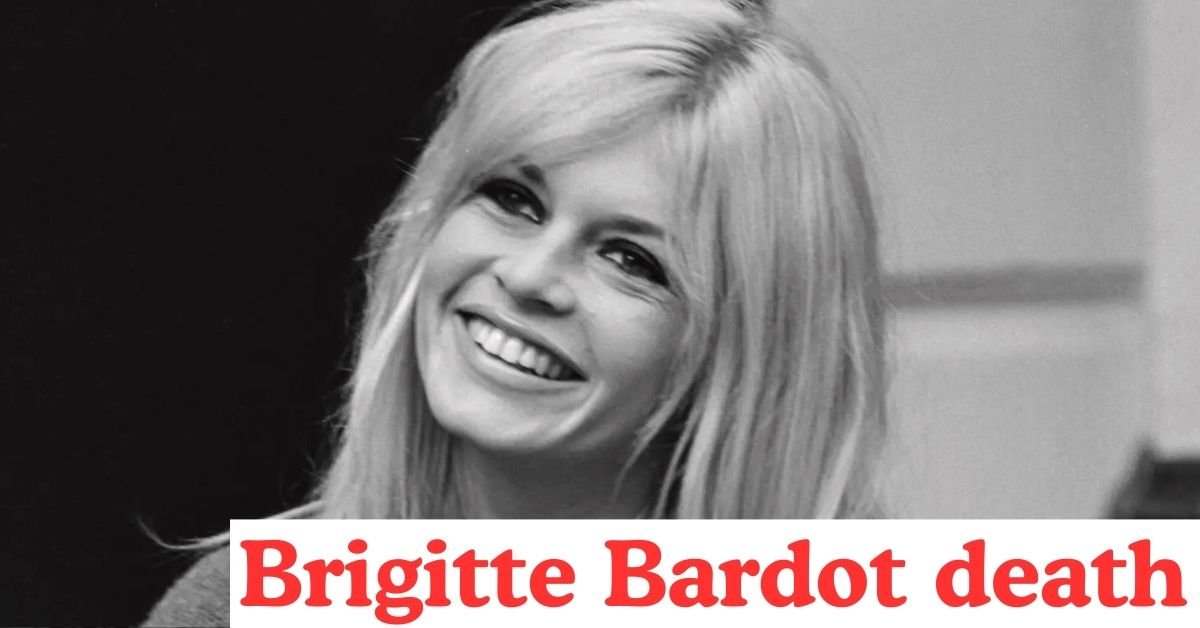
Brigitte Bardot Dead At 91: The passing of Brigitte Bardot at the age of 91 is not only the death of a movie star. It is the final book of a man who forever changed the ways of fame, femininity, activism and controversy coming together, even before social media turned provocation into a coin.
To the American viewers, Bardot can be best remembered as a black-and-white European sex icon. Yet to that shorthand lacks the deeper meaning. Bardot was not merely observed she transformed. Her decisions ranged from altered fashion, sexual conventions, celebrity activism and even international animal-rights policy.
This is why her death matters now.
She Didn’t Just Act — She Redefined Desire
Prior to Bardot, Hollywood had exported glamour which was refined, remote and managed. Bardot brought something much more rebellious natural sensuality. She did not do seduction, she made it normal.
During the late 50s and early 60s, her screen image defied the conservative concept of womanhood in Europe and the U.S. She was proudly physical, emotionally carefree and concerned about good morals. It was the combination that caused shock to the critics and it was the one that made audiences electric.
The current discourse regarding body freedom, self-expression, and the right to live beyond social norms follows a cultural history of such people as Bardot. She was not a theorist, she was a contradiction to the rules.
The First Global Celebrity to Walk Away on Purpose
At the peak of international fame, Bardot did something almost unthinkable: she left.
At 39, when most actors fight harder to remain relevant, she abandoned cinema entirely. No farewell tour. No legacy branding. No nostalgia machine. She chose disappearance over compromise.
That choice is even better today than it was at that time. In a highly algorithm-obsessed age of overwhelming personal publicity, the fact that Bardot will no longer act in her identity images is nearly subversive. She knew, decades ago, that a celebrity could eat an individual up.
Animal Rights: From Side Cause to Global Pressure Point
Bardot’s second life as an animal-rights activist wasn’t symbolic — it was operational.
Her funding of campaigns, poking governments, and leveraging her name were all common long before celebrity advocacy was the new norm. Her celebrity condemnation of seal hunting in Canada contributed to the world bans on fur trade activities. That was not due to a coincidence but rather constant stress compounded by popularity.
Modern activist celebrities often work through organizations. Bardot became one.
Her organization has been and to this day is one of the most influential private animal-protection organizations in Europe, and the model by which thousands of other public individuals the world over have set themselves.
The Complicated Legacy Americans Struggle With
Bardot’s later years complicate her story — and they should.
She has taken on political stands and speeches that many believe to be exclusionary, inflammatory, and even offensive. In France, she was fined by courts because of discriminatory statements. These instances broke the popular mind, and presented a painful query that continues to reverberate nowadays:
Can cultural impact coexist with moral contradiction?

This is a dilemma in American culture that is becoming more and more difficult to resolve, whether it is among the artists or the sportsmen or the tech stars. Bardot does not give a clear cut solution. What she gives us in place is a case study on how people can be transformative and incredibly flawed.
Why Her Death Resonates in 2025
Bardot’s passing comes at a time when society is re-examining:
- The cost of fame
- The permanence of public identity
- The responsibility of influential voices
- The boundaries between activism and ideology
She lived all of these debates before they had hashtags.
Her experience should also teach us that power does not wear out when the applause goes down and that sometimes doing nothing better than leaving the stage can be better than being on it.
The Afterimage That Remains
Brigitte Bardot leaves behind no single legacy — she leaves tension.
Between freedom and controversy. Between compassion and provocation. Between beauty and defiance.
And perhaps that’s the most honest inheritance she could offer: a reminder that cultural change is rarely tidy, and that those who move the world often do so at the cost of being misunderstood.
Even in death, Bardot refuses to be simple.
And history will keep arguing with her — which means she’s still shaping it.