
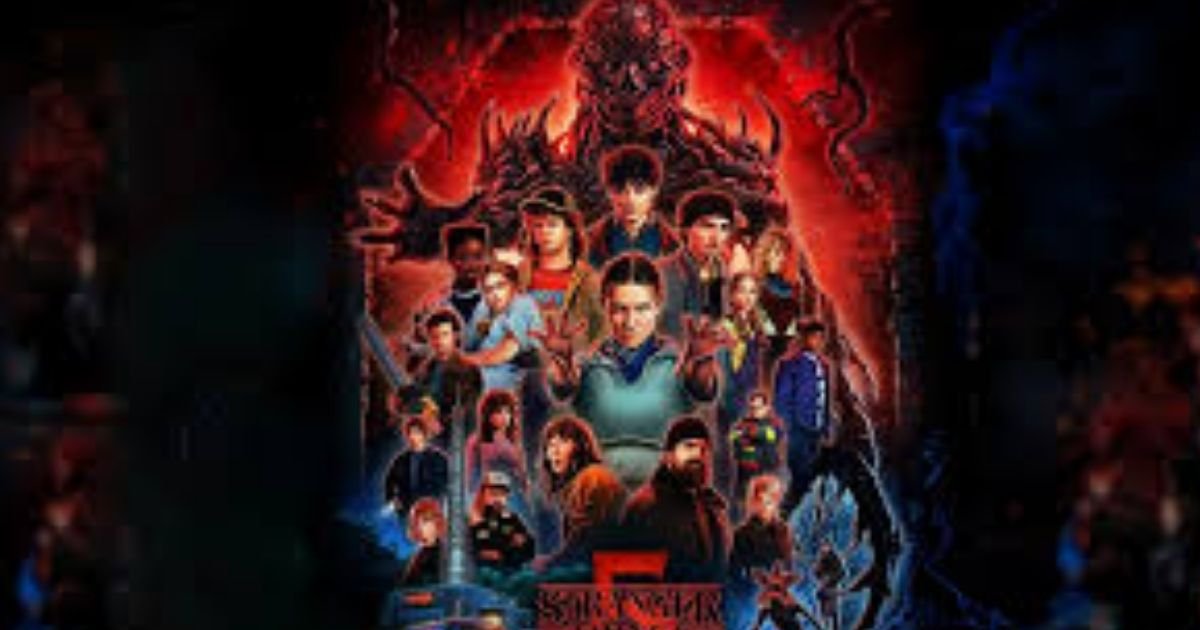
Stranger Things Secret Episode 9: When the eighth season of Stranger Things was released, it did not merely put the wrap on an episode, it created a worldwide discussion concerning the way that contemporary audiences digest endings. The viral assumption that Netflix is concealing a ninth part of the show does not actually concern any gaps in the story or whatever about the hidden messages left in the background. It concerns the emotional attachment and expectation and the behavior of fandom when the closure is not complete.
Let’s step back from the TikTok theories and numerology for a moment and look at what’s actually happening — and why it matters.
Why This Ending Feels “Unfinished” to So Many Viewers
Storytellingly, the series finale accomplished what the traditional television finales are meant to accomplish; to have the main conflict resolved, to provide the emotional resolution, and to show the characters moving on into the future of the story. Vecna is defeated. Hawkins survives. The other characters survive.
So why the resistance?
The reason why Stranger Things was not merely a show but a collective experience of coming of age was because of the show itself. The audience was raised together with the characters. To most people, the series covers almost ten years of their lives. With that kind of emotional load in a show, the viewers do not necessarily desire a resolution, but rather an assurance that nothing was lost in the process.
This is why the more relaxed atmosphere of the ending, namely the destiny of Eleven and the sheer normalcy of the epilogue was discomforting to others. It wasn’t explosive. It was not continually explanatory. And it did not answer all the unanswered questions of what if.
In the streaming era, ambiguity often feels like absence.
The “Secret Episode” Theory: Pattern-Seeking in the Age of Algorithms
The so-called Conformity Gate Theory — the idea that the finale itself is deceptive and that a hidden episode will reveal the “truth” — is a perfect example of how modern fandom operates.
Platforms like TikTok reward:
- Hyper-analysis
- Visual pattern matching
- Narrative escalation
One of the background extras standing like a statue? A prop arranged a certain way? A dice roll landing on seven? These details in themselves are not harmful. However, when fed into algorithmic echo chambers, they are evidence.
What is crucial to know is this: humans are made to seek meaning particularly when it comes to losing someone they love. A brain seeks continuance when a story is over. That instinct in online fandom becomes group myth-making.h
This isn’t delusion — it’s participatory storytelling.
The Industry Reality: Why a Hidden Episode Is Almost Impossible
From a production standpoint, the idea of a fully produced, unreleased episode being secretly held back by Netflix makes little sense.
Here’s why:
- Episodes cost tens of millions of dollars
- Marketing strategies are tightly scheduled
- Finales are designed to maximize subscriber engagement
A surprise drop after a widely publicized finale would dilute impact, confuse analytics, and undermine months of promotion. Even the creators — Duffer Brothers — have consistently spoken about intentional closure, not hidden reversals.
Silence from Netflix isn’t confirmation. It’s simply not feeding speculation.
What This Moment Reveals About Modern Storytelling
The obsession with a “real ending” highlights a shift in how audiences relate to fiction:
- Viewers now expect total narrative transparency
- Open-ended conclusions feel like unfinished work
- Fans increasingly see themselves as co-owners of stories
This is the same cultural pattern seen after Lost, Game of Thrones, and other era-defining series. Each generation experiences one major ending that doesn’t emotionally align with audience expectations — and reacts the same way.
Not with anger first — but with bargaining.
The Future of the Franchise (and the Fandom)
While a secret episode is unlikely, the world of Stranger Things isn’t disappearing. Spin-offs, expanded universe projects, and future narratives are already part of the franchise’s roadmap.
What will fade, however, is this specific moment — the collective refusal to let go.
And that’s not a failure of storytelling. It’s proof of success.
A show that ends cleanly but still sparks this level of emotional debate has done something rare: it mattered deeply.
Final Thought
There probably isn’t a hidden episode coming on January 7 — or any other date. But the conversation itself is the real epilogue. Fans aren’t searching for more content; they’re searching for permission to say goodbye.
And in a way, that longing is the most Stranger Things ending possible.