
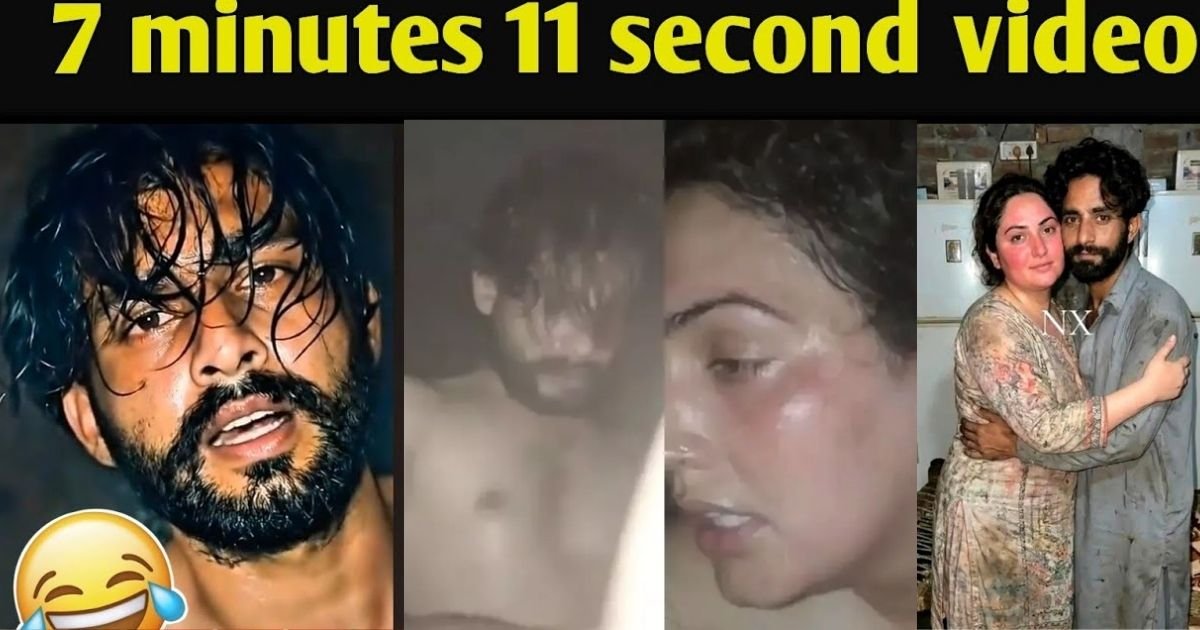
7 Minutes 11 Seconds Viral Video: In the last several weeks, a strange specific phrase has swept through search engines, messaging platforms and Instagram feeds: 7 minutes 11 seconds viral video.
The claim sounds convincing. The curiosity is irresistible. And that is exactly the point.
Having analyzed the flow of the dissemination of this story, and the points that did not appear, one thing becomes obvious, this is not a verified leak or a hidden clip. It is a textbook example of how internet hoaxes are being created, fed and monetised in the modern world.
Why this story grabbed global attention
Specific numbers feel real. Such time as 7:11 gives the impression of accuracy, insider knowledge, and authenticity. Psychologists refer to it as the precision bias that is our propensity to believe information which sounds precise.
Fraudsters and clickbaits know this pretty well. They add a name, country and a specific duration of the run thus creating an illusion of certainty where there is none.
The result?
Millions of people searching for something that was never publicly verified.
What actually exists—and what doesn’t
Despite viral claims:
- ❌ No complete video has surfaced on any verified platform
- ❌ No police report, arrest record, or legal case confirms the identities involved
- ❌ No credible media outlet has independently authenticated the footage
What does exist are:
- Cropped screenshots
- Blurry, seconds-long clips
- Telegram links and websites pushing “exclusive access”
This pattern is not accidental. It is deliberate.
The hidden business model behind viral MMS rumours
Cybersecurity analysts note that such trends often lead users to:
- Fake download pages
- Phishing forms asking for phone numbers or OTPs
- Malware-laced APK files
- Subscription traps disguised as “private video access”
In short, the video is bait.
The real target is user data, money, or device access.
Could AI be involved?
Very likely.
The current generation AI can generate short clips that believe to be real in a short time at a low cost. Content in the Deepfake style does not need Hollywood-level resources anymore. Even amateurs have been able to produce persuasive visuals that crumble under examination- though not until they attain virality.
Experts point out that many past “leaked MMS” scandals followed the same trajectory:
- Exact duration goes viral
- No original source appears
- AI or edited snippets circulate
- Scam links multiply
- Public interest fades—after damage is done
Why this matters beyond one rumour
This isn’t just about a single viral claim.
It highlights a growing global issue:
- Privacy erosion
- Digital consent violations
- Weaponised misinformation
- AI-powered fraud
As internet users, the cost of curiosity is rising. Clicking the wrong link is no longer harmless—it can compromise identity, finances, and reputation.
How to protect yourself (and others)
Digital safety experts recommend:
- Avoid searching for or sharing “leaked” content
- Do not click links promising private or exclusive videos
- Never install unknown apps or APK files
- Report suspicious posts on social platforms
- Pause before forwarding—virality thrives on speed, not truth
The bottom line
The 7 minutes 11 seconds viral video does not actually exist as it is not established that it exists. All this is indicative of a fabricated hoax, which is probably driven by AI snippets, re-hashed rumours and scam networks.
Until credible proof emerges—which it hasn’t—this story remains a cautionary tale, not a fact.
In 2026, the real challenge isn’t finding viral videos.
It’s learning when not to look for them.