
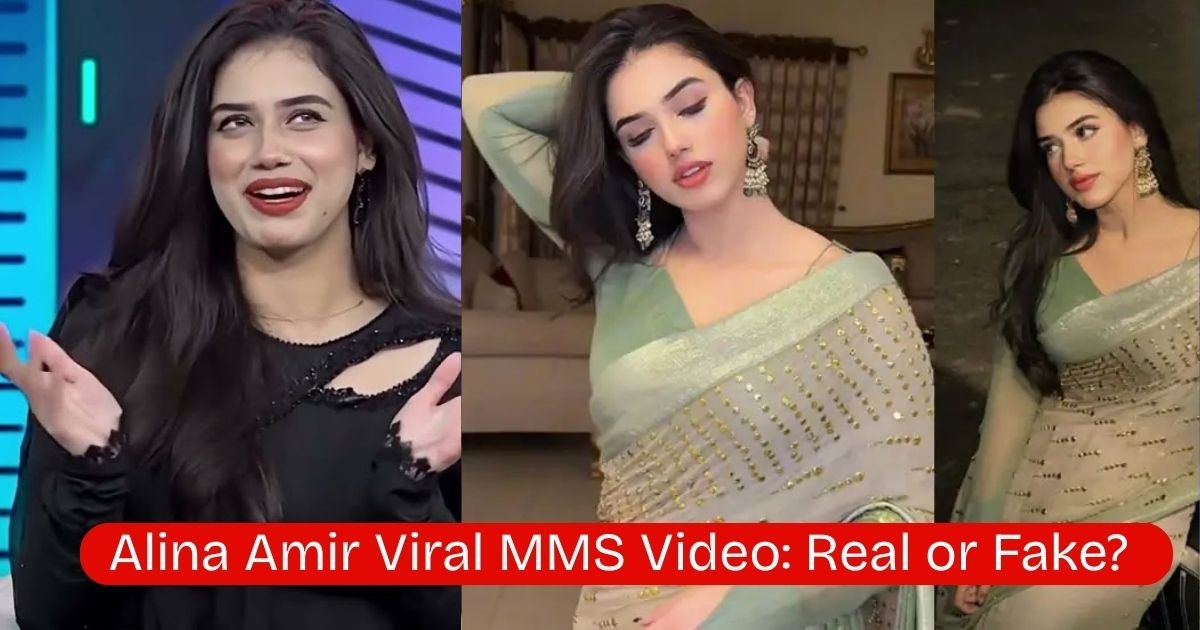
Alina Amir Viral MMS Video: Virality in the new culture of the internet is no longer all about popularity, it can also be used to publicly shame, defraud as well as destroy feelings. The recent scandal with social media influencer Alina Amir is a clear reminder that technology can be easily used to work against people and, more so, women in the digital era.
Alina was the alleged star of an alleged viral MMS video, which propagated quickly across the platforms, with sensational captions and links purporting to display the entire video. What ensued was not only gossip, but a synchronized wave of fake news, and scam traffic, and mental harassment. Alina subsequently admitted that the video was also completely a fake, created with the help of AI deepfake.
Nevertheless, one influencer is not such a big story. It reveals a threatening ecosystem in which the fake content, clickbait economy, and poor digital literacy are crashing.
The Real Issue Isn’t the Video—It’s the System Behind It
Deepfake incidents are often discussed as isolated scandals. That’s a mistake.
What happened in Alina Amir’s case reflects a repeatable digital pattern:
- A manipulated or AI-generated clip is circulated.
- Anonymous pages push it with phrases like “leaked MMS,” “real video,” or “watch before it’s deleted.”
- Users are redirected to unsafe websites, phishing pages, or malware downloads.
- The victim is left dealing with public judgment, emotional trauma, and reputational damage—while scammers profit.
According to the experts, the majority of viral MMS connections do not contain videos at all. They are actually going after data, ad scams, or financial scams.
In other words, the “scandal” is often just bait.
Why Deepfakes Are Becoming a Gendered Threat
The AI deep fake technology has grown at a faster rate compared to the awareness of the populace or even the legal protection. Bad actors can currently create believable videos within hours with only a few photos swiped off social media.
Cybercrime analysts warn that women—especially those with public profiles—are disproportionately targeted because:
- Their images are widely available online
- Society is quicker to judge women’s morality
- Fake sexual content spreads faster than clarifications
Alina Amir stood up in front of the world to say what many victims never have a chance to say: that such fake videos are directly sent to the family members, making the problem even more shameful and painful. This is not a coincidence but psychological war.
Countless women without platforms or legal access face similar attacks silently.
The Scam Economy Thriving on “Viral MMS” Searches
Search terms like “viral MMS video,” “real leak,” or “full clip” are goldmines for cybercriminals.
From a cybersecurity perspective, these links are dangerous because they often:
- Install spyware or banking trojans
- Steal login credentials via fake “play” buttons
- Redirect users to subscription fraud pages
- Hijack social media accounts to spread the scam further
Financial fraud investigators estimate that users chasing such links often lose money, privacy, or control over their devices—all for content that never existed.
The irony? Even curious viewers become victims.
Alina Amir’s Response: Why It Matters
After days of silence, Alina chose not to feed the algorithm with outrage. Instead, she took a strategic stand:
- She publicly identified the video as a deepfake
- Called out the misuse of AI technology
- Acknowledged the role of cybercrime authorities
- Highlighted that this is a societal issue, not a celebrity one
By doing so, she shifted the conversation from gossip to accountability.
Digital rights experts say this kind of response is crucial—it educates the public and reduces the lifespan of misinformation.
How to Spot Fake “Viral MMS” Links (Before It’s Too Late
Cybersecurity professionals recommend watching out for these red flags:
- Sensational urgency: “Watch now before it’s deleted”
- Blurry thumbnails or cropped images
- URLs with spelling errors or strange domains
- Forced logins or file downloads
- Claims of “exclusive” or “uncensored” content
Legitimate platforms do not distribute private videos through random links. If something looks designed to provoke panic or curiosity, it’s likely a trap.
Legal Consequences Are Real—and Expanding
Many users assume that forwarding fake content is harmless. It’s not.
According to cybercrime and privacy laws, posting defamatory or fake materials may have penalties, even when the person who did it was not the creator. Law enforcement agencies in India and other parts of the world are progressively tracking online tracks and chains of links.
According to legal professionals, we can expect tighter regulation of AI and even legislation specific to it soon, particularly as the abuse of deepfakes increases.
What This Means for the Future of the Internet
The Alina Amir incident highlights an uncomfortable truth:
We are entering an era where seeing is no longer believing.
Future implications include:
- Greater need for AI detection tools
- Stronger cyber laws around synthetic media
- Increased responsibility on social platforms
- Digital literacy becoming a life skill, not an option
Until then, skepticism and awareness are our first line of defense.
Final Word: Don’t Be Part of the Damage
There is no real MMS video involving Alina Amir. Every link claiming otherwise is misleading or malicious.
But beyond this case, the real takeaway is simple:
Every click, share, or forward has consequences.
In a digital world powered by AI, ethics—not curiosity—will define who stays safe.
this is an interesting article, i enjoy reading it, keep up the good work, do you post often, i want to start following you. my site is https://webdesignfreelancermunchen.de/ it is the top webdesign freelancer platform in Germany.
This is really interesting, You’re a very skilled blogger. I’ve joined your feed and look forward to seeking more of your magnificent post. https://heosexhay.net/ Also, I’ve shared your site in my social networks!
this is one of the best article i read today, i enjoy reading how you structure this article, keep up the good work, my site is the best webdesign freelancer in berlin in Germany, https://webdesignfreelancerberlin.de/ you can check it out. Thank you