
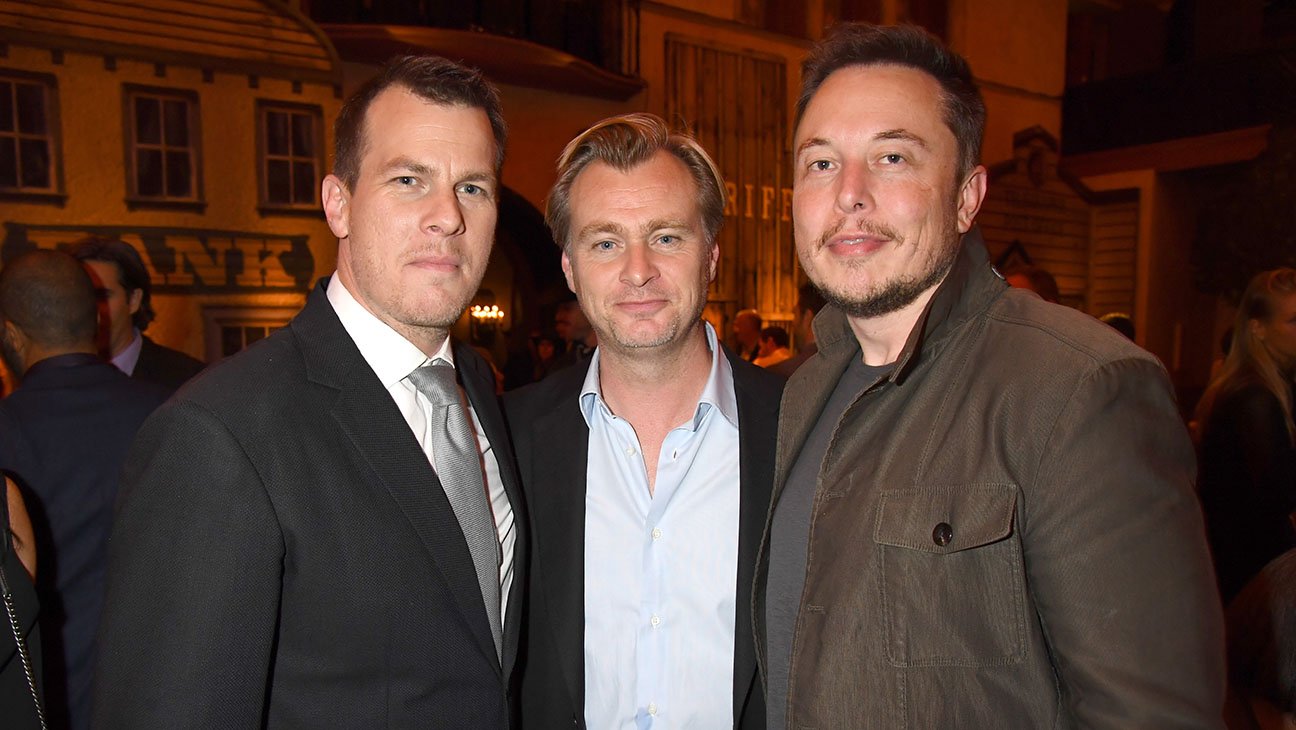
A Billionaire Tweet, a Legendary Director, and a Much Bigger Debate
In today’s internet-driven culture, a single tweet can spark a global debate—and when it comes from :contentReference[oaicite:0]{index=0}, the reaction is almost guaranteed to be explosive. His recent remark aimed at filmmaker :contentReference[oaicite:1]{index=1} has done exactly that, pulling Hollywood, social media, and long-standing ideas about art and identity into one heated conversation.
What looks like a simple casting controversy on the surface is actually a reflection of something deeper: who gets to define “authenticity” in modern storytelling, and whether classic literature must remain visually frozen in time.
Why This Comment Hit a Nerve
The controversy revolves around Nolan’s upcoming adaptation of Homer’s epic, :contentReference[oaicite:2]{index=2}. Speculation about actress :contentReference[oaicite:3]{index=3} possibly portraying Helen of Troy triggered Musk’s criticism, where he questioned Nolan’s “integrity.”
This wasn’t just about one role. The reaction exploded because it touched three sensitive fault lines at once: artistic freedom, racial representation, and the authority of ancient texts in modern cinema.
Art vs. Accuracy: A Debate Older Than Cinema
Every generation reinterprets myths in its own image. Greek epics have been retold for centuries—on stage, in paintings, novels, and now blockbuster films. Nolan’s cinema is known for bending structure and expectation, so it’s no surprise that his take on Homer may challenge traditional visuals as well.
The real question isn’t whether Helen of Troy was described a certain way in ancient poetry. It’s whether modern filmmakers are allowed to reimagine symbols for a global audience without being accused of “erasing” history.
Why Musk’s Involvement Matters
Musk isn’t a film critic, but his voice carries enormous influence. When someone with that reach comments on casting, it doesn’t stay a creative discussion—it becomes a cultural flashpoint. Supporters see him as defending historical detail; critics argue he’s oversimplifying art while ignoring cinema’s long tradition of reinterpretation.
This is also why the backlash has been intense. The industry has grown increasingly sensitive to who controls narratives and whose voices dominate public debate—especially when powerful figures step into creative spaces.
What This Means for Hollywood Going Forward
Nolan’s film, slated for a July 2026 release, already carries massive expectations thanks to its scale and cast. Ironically, the controversy may only amplify interest. Audiences today are drawn not just to films, but to the conversations around them.
In the long run, moments like this could push studios to either play it safer—or double down on bold creative choices. Both paths shape the future of global cinema.
The Bigger Picture
This episode isn’t really about Elon Musk versus Christopher Nolan. It’s about how art, power, and identity collide in the age of social media. Classics survive because they adapt—and the fiercest debates often signal that a story still matters.
For more deep dives into film controversies, casting debates, and movie culture, explore our cinema coverage on FilmyHigh.com.